Maintaining a pond helps prevent various problems related to eutrophication. This manifests as the accumulation of nutrients in the water, the formation of silt at the bottom, and an overgrowth of algae. In the worst cases, unpleasant odors can be emitted. Here are four tips to keep your pond healthy at all times. These interventions are best carried out in the spring.
Pruning aquatic plants
Towards the end of September, when the first signs of vegetation decline appear, pruning aquatic plants is highly recommended. This prevents the pond from looking bare, restoring its vertical structure. As an added bonus, it prevents the accumulation of smelly mud at the bottom of the pond.
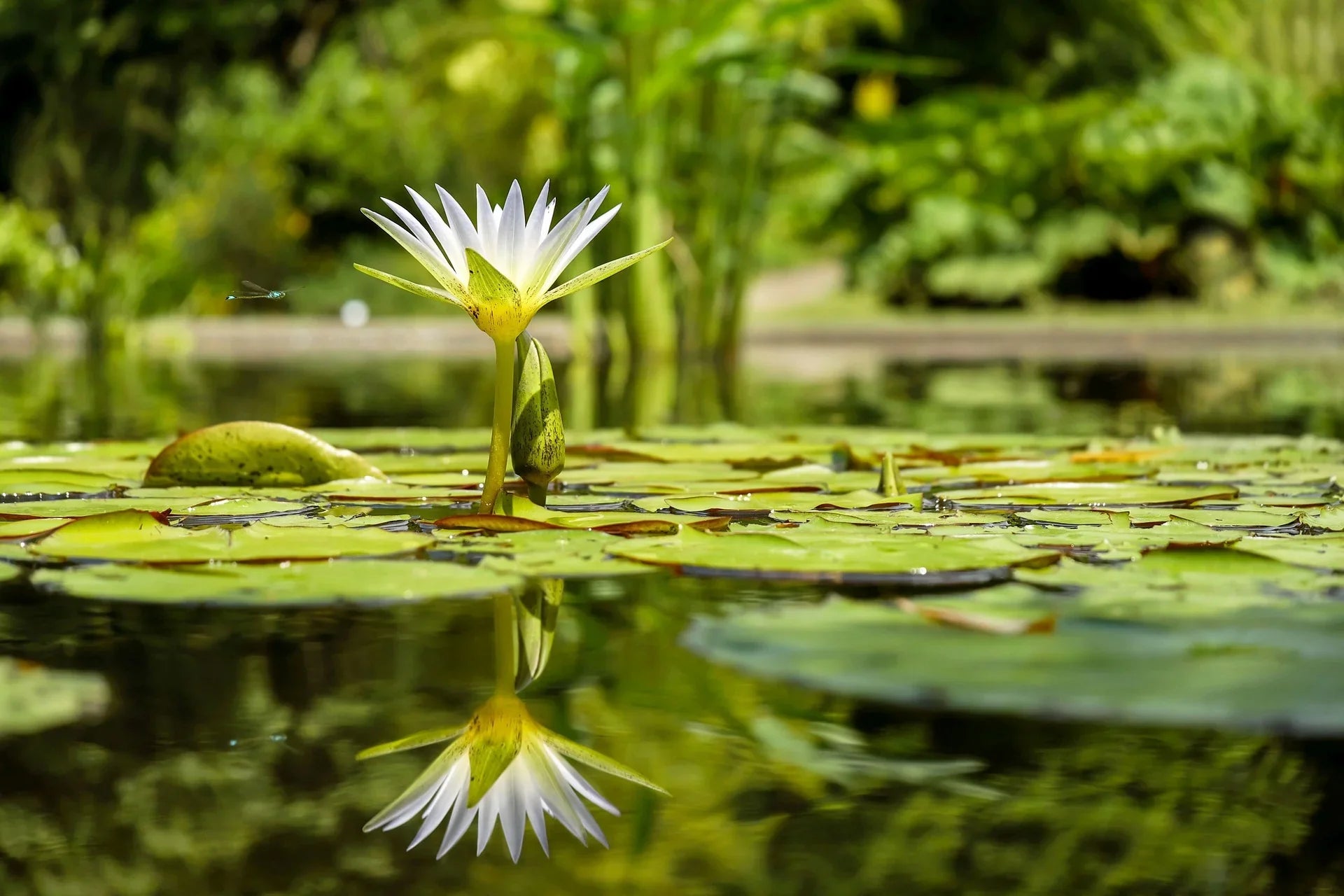
Plant pruning is particularly important for water lilies. Every three years, as soon as the risk of night frosts has passed, they should be thinned out to encourage flowering. The same treatment is also recommended (every two years) for marsh plants, around the beginning of spring. Finally, oxygenating plants should also be thinned out in summer.
Installation of a pond aerator
An aerator ensures a sufficient supply of oxygen in the pond. The fish are the first to benefit. For their part, the bacteria will be better able to break down organic matter, sludge, filamentous algae, etc.
Note that pond aerators are available in an "energy-efficient" model. This promises a significant reduction in energy bills, even with continuous use (day and night). Furthermore, at an affordable price, an aerator proves to be a viable alternative to a waterfall pump.
Addition of beneficial bacteria
To ensure better digestion of organic matter in the garden pond, it's also advisable to add beneficial bacteria. This should be done once a week in the spring, when algae growth is at its peak. It also has the added benefit of clarifying the water.
Simply use a large bucket to prepare the bacteria. Of course, specific proportions must be followed, depending on the size and topography of the pond. Important: the preparation must be done only with pond water, never with tap water. Finally, note that the bacteria are also available in a "dry format," packaged in small water-soluble sachets. The key is to place these near the aeration diffusers to facilitate their dispersal in the pond water.
Checking the chemical composition of the water
Maintaining a pond also involves checking the water's chemical composition. A dedicated test kit is available on the market. This set of tools allows you to closely monitor the pH level. It should be around 7 in the morning and can reach up to 9 in the evening, values indicating good oxygen levels.
The check also includes the kH value (carbonate content). Ideally, it should be set to 5, indicating stable water. Finally, the GH value (total hardness) should be adjusted to between 8 and 12 (especially at the beginning of winter, to stabilize the oxygen content).