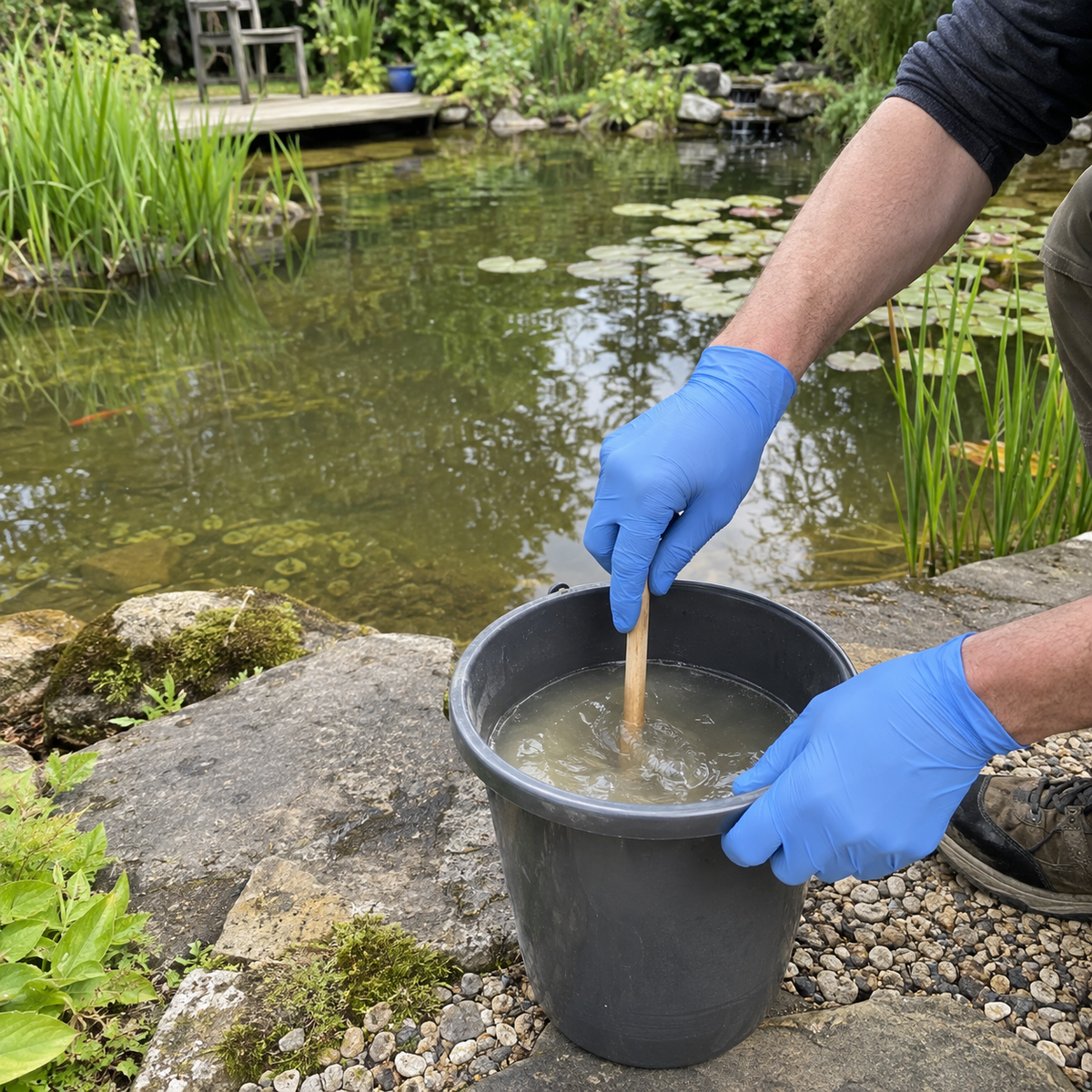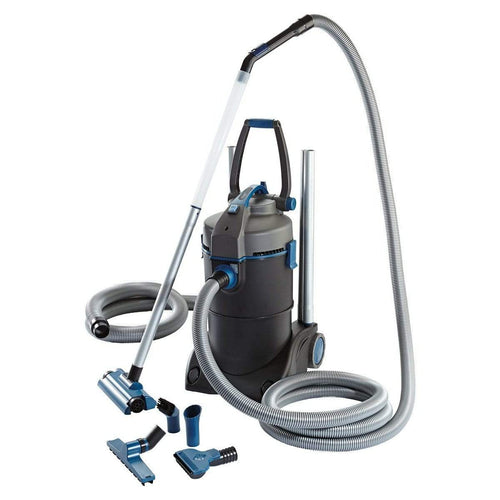
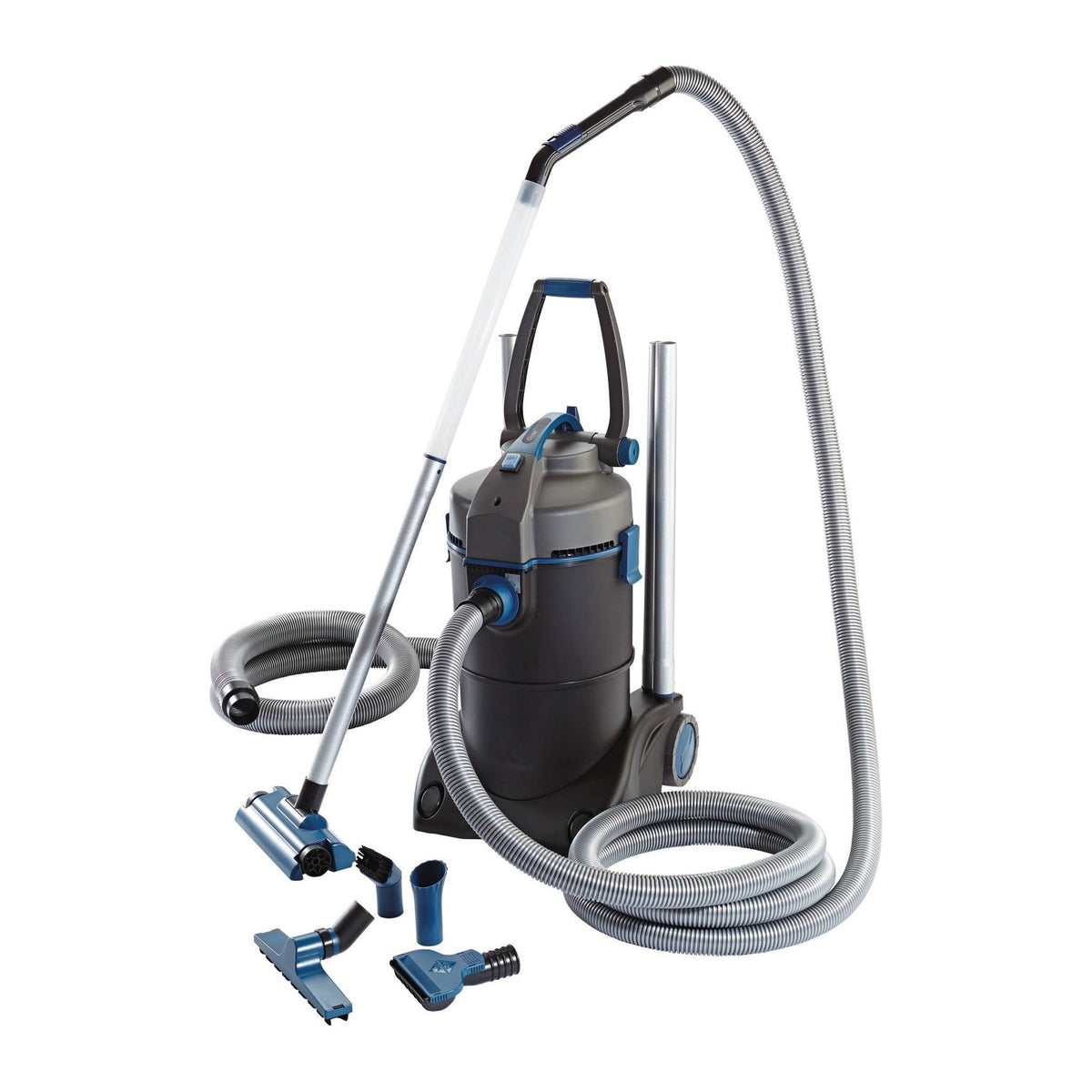
Sludge is a mixture of leaves, waste and food scraps. In small quantities, it feeds beneficial bacteria. In excess, it consumes oxygen, releases nitrites and feeds algae. A pond vacuum allows you to remove it without emptying the pond.
When to vacuum?
- Late autumn, after the leaves have fallen and before the water temperature drops below 10°C: this is the most important pass of the year.
- Early spring, when the water temperature rises back to around 10-12°C, to start with a clean bottom.
- During the season, only if a thick layer forms in an area (under a waterfall, in a quiet corner).
Avoid doing it in the middle of winter: the fish are sluggish at the bottom, and disturbing them tires them out.
How to use it properly
- Work in sections, moving slowly: a nozzle moved too quickly stirs up the sludge instead of vacuuming it up.
- Do not remove everything: leave a thin layer, as it houses the bacteria that purify the water.
- Monitor the water level: a vacuum discharges water. Top up with rainwater or dechlorinated tap water.
- Rinse the nozzles and filter after use, and store the device in a dry place for the winter.
Which model to choose?
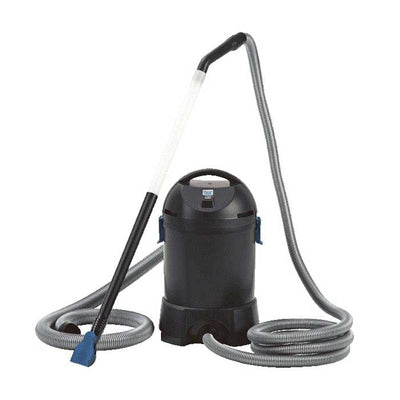
- Small pond, occasional use: an entry-level model like the PondoVac Classic is sufficient.
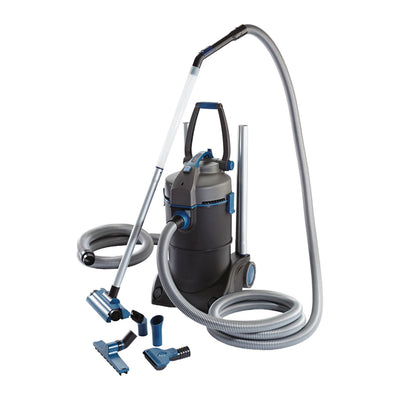
- Medium to large pond, regular cleaning: the PondoVac 4 vacuums and empties continuously (no need to pause to empty the tank) and reaches a depth of 2.4 m.
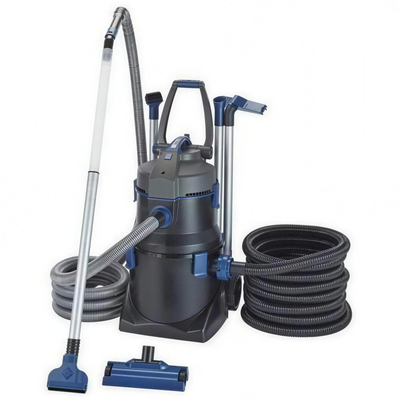
- Large pond, natural swimming pool: the PondoVac 5, the most powerful, for large areas.
👉 Compare all pond vacuums · PondoVac spare parts
After vacuuming
A cleaned bottom recovers better with a bacterial supplement in spring. If the water becomes cloudy or if the fish come to the surface to breathe after cleaning, test the nitrites: our online water test tells you what to do based on your readings.
Unsure which model is right for your pond? Call our experts at 010 86 03 54: we also repair Oase vacuums in our Nodebais workshop.