Every autumn, leaves that fall into the pond end up at the bottom, decompose throughout the winter and reappear in spring as sludge, nitrites and cloudy water. Removing them before they sink is the most cost-effective maintenance task of the year. Here is how to do it, tool by tool.
1. The net: prevent leaves from entering
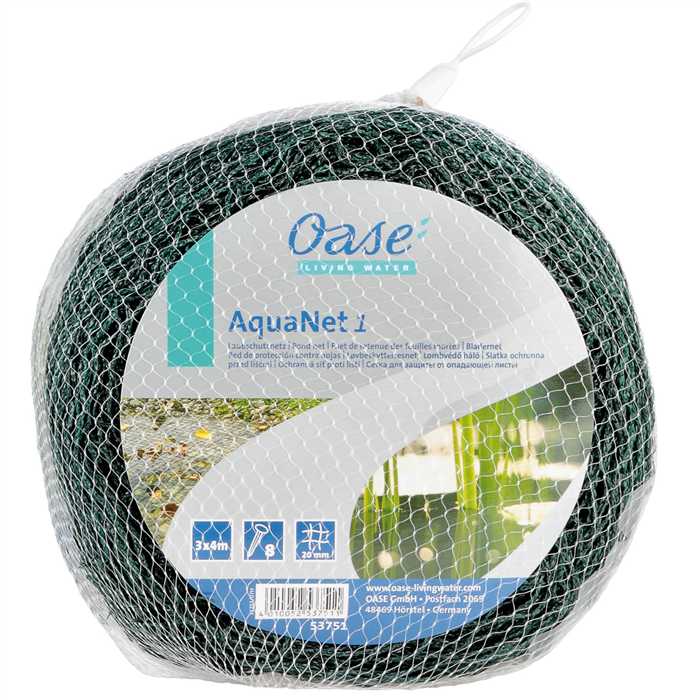
A net stretched over the water stops the vast majority of leaves before they touch the surface. This is the most effective solution if your pond is under trees.
- Size: allow at least 1 m more than the pond on each side, so you can fix the net to the ground with stakes.
- Installation: stretched, slightly domed, without touching the water. A net that dips gets weighed down by wet leaves and eventually sinks.
- When? As soon as the first leaves fall, and until the end of the leaf fall. Empty it every week.
Bonus: the net also protects your fish from herons, which are very active at this time.
2. The skimmer: remove what floats, every day
Even with a net, some leaves get through. A plant skimmer, with fine mesh and a long handle, allows you to remove them in a few minutes as long as they are still floating. The longer you wait, the more they soak up water and sink.
Choose a handle long enough to reach the center of the pond without bending over, and a sturdy frame: a skimmer that bends under the weight of wet leaves quickly becomes useless.
👉 View pond skimmers · KNS skimmers made in England
3. The sludge vacuum: catch what has sunk
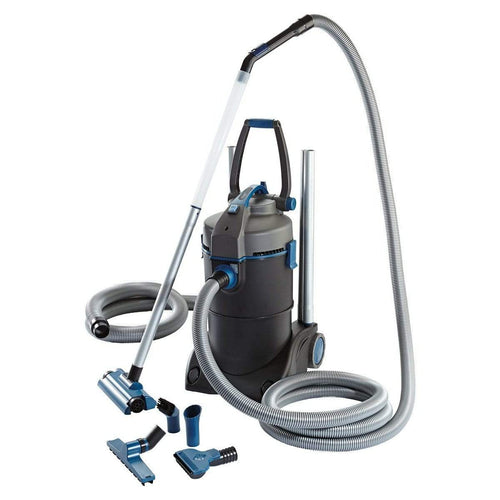
Leaves already at the bottom can no longer be collected with a skimmer. A sludge vacuum removes them with the mud, without emptying the pond. Do a full pass before the water temperature drops below 10°C: your fish are still active and tolerate handling better.
The right order
- Start of leaf fall: put up the net.
- During leaf fall: empty the net every week, use the skimmer as soon as a leaf floats.
- End of leaf fall: remove the net (or leave it against herons), then do a pass with the vacuum to clean the bottom.
Our expert advice
If the bottom is already heavily laden, do not remove all the sludge at once: a thin layer houses useful bacteria. Clean by area and supplement with anti-sludge bacteria in spring. A question about your pond? Our experts will answer you at 010 86 03 54.